

- This event has passed.
Building & Using the Diversity Pipeline in Arbitration & Mediation: Why it Matters and How to Participate
Just as it is important that juries and judicial officers reflect the communities they serve, ensuring mediators and arbitrators are also diverse is paramount to ensuring that ADR processes are accepted as viable and desirable alternatives by parties who wish to resolve their disputes outside of filing a lawsuit. One of the most important issues is that not enough members of the AAPI community are becoming mediators and arbitrators, despite all the major U.S. based arbitral institutions’ recruitment efforts. Additionally, within the existing pool of neutrals, AAPI candidates are selected far less frequently than established arbitrators and mediators.
This program will explore the importance of diversity in the selection of arbitrators and mediators and the practical steps lawyers, clients, and dispute resolution professionals can take to strengthen and utilize the pipeline of diverse neutrals. The program will address common issues that arise when parties request lists of potential neutrals, including what clients are really asking for, how institutions and practitioners can respond thoughtfully, and why a well-represented roster matters for the legitimacy, quality, and effectiveness of the dispute resolution process. Panelists will also discuss how stakeholders can meaningfully participate in expanding opportunities for diverse neutrals, helping ensure that the arbitration and mediation field better reflects the communities and industries it serves. They will also provide guidance on what opportunities there are for attorneys interested in making the transition to neutral work.
Key Takeaways
- What clients mean when they ask for a list of neutrals and how those requests increasingly reflect expectations around both excellence and meaningful representation.
- Why building and presenting a diverse roster of arbitrators and mediators matters, including its impact on party confidence, fairness, and the overall credibility of the process.
- How lawyers, institutions, and neutrals can actively participate in strengthening the diversity pipeline through intentional selection practices, mentorship, visibility, and sponsorship.
CLE Information
1.5 Credits in Diversity, Inclusion and Elimination of Bias
Non-Transitional only
Speakers:
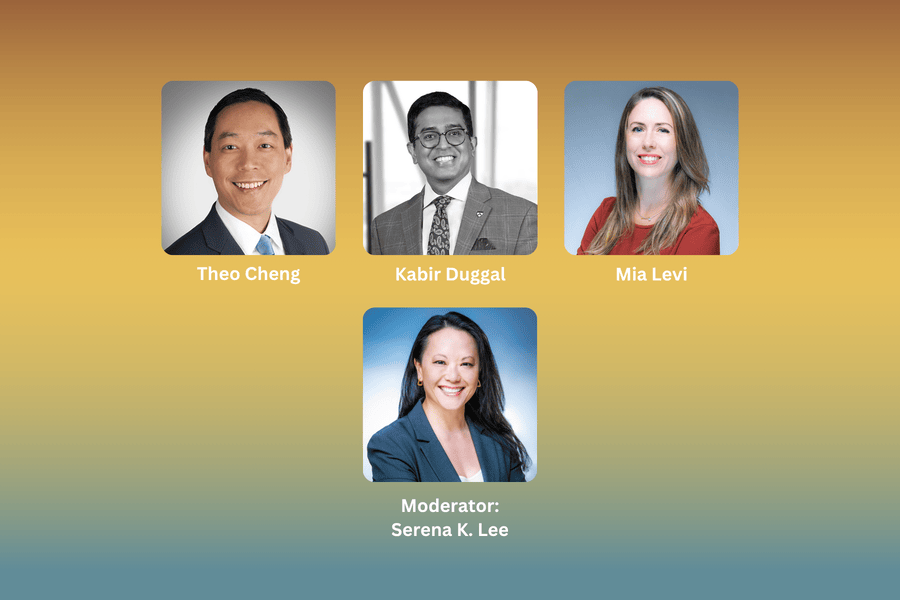
- Theo Cheng, Adjunct Professor at New York Law School, Arbitrator and Mediator at ADR Office of Theo Cheng LLC, and CEO and Founder at Sonata Academy LLC, New York Law School, ADR Office of Theo Cheng LLC, Sonata Academy
- Kabir Duggal, Partner at Akin Gump Strauss Hauer & Feld LLP, Senior Fellow and Advisor at the Center for International Commercial & Investment Arbitration at Columbia Law School, and Lecturer in Law at Columbia Law School
- Mia Levi, Vice President and Corporate Secretary, Dispute Resolution Services CPR Dispute Resolution Services LLC
Moderator:
- Serena K. Lee, President and CEO, CPR Institute